Illuminating Design: How Light and Shade Shape Your Interior Aesthetics Feb 15, 2026
When considering painting an interior space, the first aspect to assess is the natural light exposure. The amount of sunlight a room receives can dramatically affect paint color appearance. Rooms facing north tend to get cooler, softer light, which means cool hues might appear muted, while warm tones can add the coziness you seek. On the other hand, rooms that bask in the southern sun can afford cooler shades, creating a balanced and inviting environment.
Artificial lighting also plays a pivotal role. The quality and type of artificial lighting—whether LED, fluorescent, or incandescent—can alter the perception of paint colors. Imagine a cozy living room painted in a rich, earthy tone; under warm incandescent light, the room exudes comfort and warmth. Conversely, the same space under fluorescent lighting may appear harsher. Thus, aligning your lighting choices with your desired mood and color palette becomes essential.
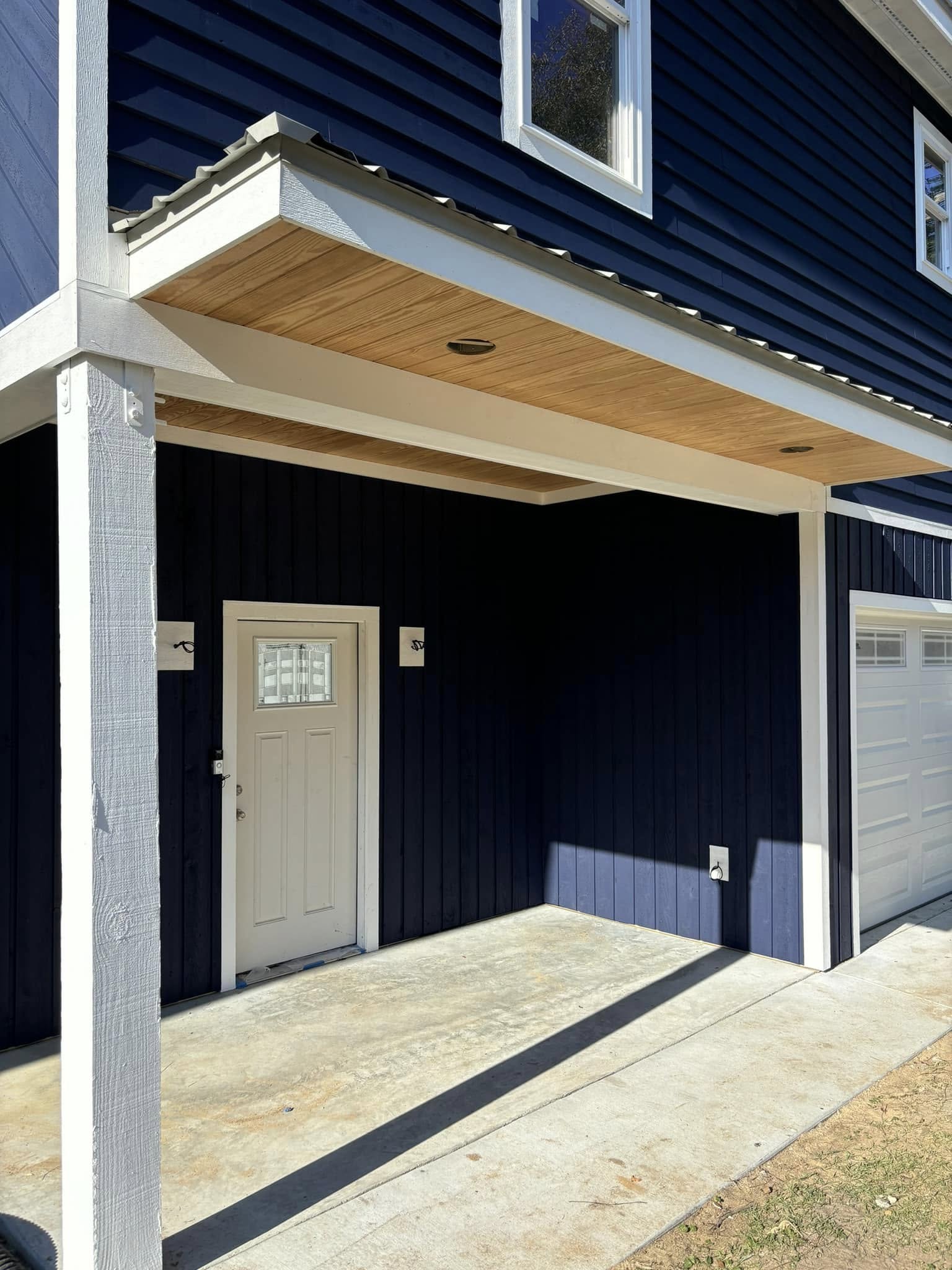
The strategic use of dark and light shades can define spaces, influence mood, and even manipulate perceptions of size. Dark colors tend to absorb light, making spaces feel more intimate and snug, whereas brighter, lighter colors reflect more light, giving the illusion of a larger, more open area. For homes with open floor plans, using contrasting shades can help define and differentiate areas, providing visual interest without the need for physical barriers.
Accent walls remain a popular choice for adding depth and drama to a room. By painting a single wall in a deeper shade, homeowners can draw attention to architectural features or frame cherished art pieces. This technique is particularly effective in rooms with ample natural light, ensuring the accent color remains vibrant without overpowering the space.
The principles of light and shade in painting extend beyond color selection to the textures and finishes used. Matte finishes tend to absorb light and can add a subtle sophistication to walls, perfect for retro or industrial aesthetics. Conversely, satin and gloss finishes reflect more light and are ideal for spaces where a fresh, polished look is desired. Each finish plays a role in light diffusion, impacting the overall aesthetic and the room's perceived warmth.
Duffett Brothers Painting encourages homeowners to think beyond traditional color application, considering how each nuance of light and shade will enhance or diminish their chosen palette. Applying this knowledge, paired with expert painting techniques, can lead to impressive transformations, turning living areas into well-lit havens that reflect personal style and improve overall ambience.
In conclusion, the relationship between light, shade, and color selection can significantly affect your home's interior aesthetics. By understanding these dynamics, and possibly consulting with professionals like Duffett Brothers Painting, homeowners can make informed decisions that elevate their living spaces. Whether renovating a single room or reimagining an entire property, considering how light interacts with color—and vice versa—is crucial to achieving the desired visual impact. As you embark on your next painting project, remember that light doesn't just illuminate your home; it defines it.
/filters:no_upscale()/filters:format(webp)/media/eb6accf1-a9d5-448d-8f3d-25870db55bdd.jpeg)
/filters:no_upscale()/filters:format(webp)/media/45ff2389-0458-4f94-a40c-7f1ea8781484.jpeg)